
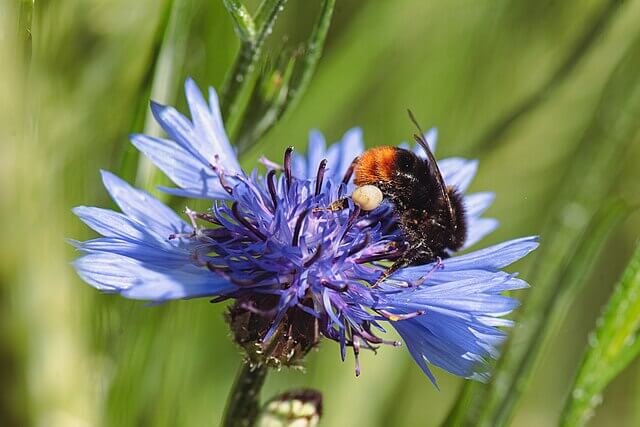
As winter approaches, bumblebees across the UK retreat from view. Among the country’s 24 species, the red-tailed bumblebee (Bombus lapidarius) is one of the most widespread. These striking insects spend summer months nesting in burrows, living in colonies and foraging for nectar and pollen.
A Common Species in Long-Term Decline
By late autumn, the season’s workers and males die after mating, leaving only the newly fertilised queens. These queens seek out sheltered crevices in hedge bases, old walls and other hidden spots, where they hibernate until spring temperatures rise.
Despite being classed as common, the red-tailed bumblebee has suffered a dramatic population decline over the past three decades. The expansion of intensive farming has stripped away much of its natural habitat, contributing significantly to this downward trend.
Solar Farms Offer an Unexpected Lifeline
An unlikely ally may help reverse the fortunes of this and other bumblebee species: the rapidly growing number of solar farms across the UK. Researchers looked at the 1,042 existing solar farms and found that where solar farms were actively managed for wildlife – with flower-rich planting and hedgerow habitats – bumblebee numbers more than doubled. In contrast, sites maintained simply as grassland showed little or no positive impact.
While these benefits were largely limited to the solar farms themselves, the research suggests that, in areas surrounded by intensive agriculture, a well-planned network of ecologically managed solar farms could play a pivotal role in supporting and restoring the UK’s bumblebee populations.
——————————————————————————
At Natural World Fund, we are passionate about restoring habitats in the UK to halt the decline in our wildlife.