
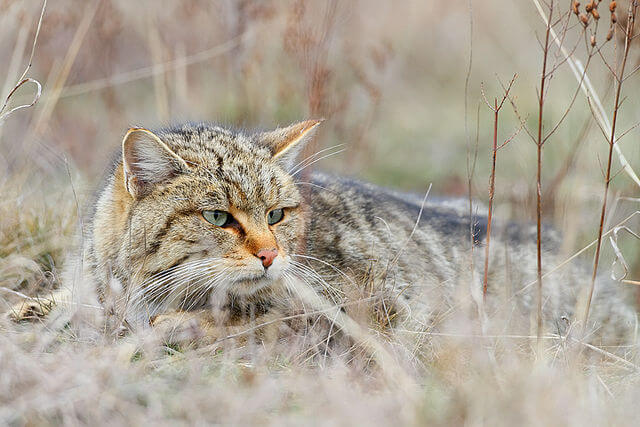
Critically Endangered Wildcats Targeted for English Reintroduction
European wildcats – among the UK’s most critically endangered mammals – may soon return to England after more than a century of absence. Conservationists behind the South West Wildcat Project aim to reintroduce around 50 individuals from 2028, following research suggesting a new population could thrive in the mid-Devon landscape.
Independent research by the University of Exeter indicates that the mixture of woodland and connected habitats across mid-Devon could support a flourishing wildcat colony. The region’s extensive tree cover and patchwork of rough grassland make it one of the most suitable areas in England for the species’ revival.
Public Support for Reintroduction
According to the South West Wildcat Project, a partnership led by Devon Wildlife Trust, roughly 80% of respondents surveyed expressed positive views about bringing wildcats back to the region. Conservationists say local engagement will continue throughout the phased reintroduction.
Although many welcome the proposal, some farmers have voiced misgivings.
Oliver Edwards, a beef and sheep farmer on Exmoor, said that he worries that reintroducing a predatory species may negatively affect existing livestock and wildlife. He emphasised the need for wider consultation with farmers and landowners to determine the most appropriate release sites.
“They say wildcats live on voles. Well, voles are feeding my barn owls so if you reduce the vole population you are having an effect on the barn owls,” he explained.
Potential Risks: Predation and Hybridisation
Opposition groups, including the Countryside Alliance, warn that wildcats could pose risks to poultry, gamebirds and native species. There are also concerns about hybridisation with domestic cats, which could jeopardise efforts to maintain a genetically pure population. Tim Bonner, the organisation’s chief executive, said they support “properly planned and managed reintroduction”, but stressed the challenge of sustaining a pure wildcat lineage.
Cath Jeffs, project lead for Devon Wildlife Trust, said that most existing protective measures used to deter foxes from poultry or gamebirds would be effective against wildcats. She added that fears of a population boom were unfounded due to the species’ naturally low densities and the project’s commitment to close monitoring.
“We are absolutely committed to making this happen, but in the right way and at the right time,” she added.
To tackle hybridisation, Devon Wildlife Trust plans to collaborate with local animal welfare groups to deliver neutering programmes for domestic and feral cats living near potential release zones.
Why Wildcats Disappeared – and Why Now Is the Time to Return
European wildcats – once known as “woodcats” – were historically widespread across Great Britain. However, habitat loss and centuries of persecution drove them to extinction in England and Wales. Today, the last surviving wild population exists only in the Scottish Highlands, where they are classified as critically endangered despite receiving legal protection in 1988. Fewer than 115 pure wildcats are thought to remain.
The project team has not yet selected specific release locations. They will continue engaging with communities, farmers and landowners to address concerns and ensure the reintroduction is undertaken responsibly. With suitable habitat, strong public support and robust management plans, conservationists hope the south-west could become a stronghold for England’s first wildcat population in more than a century.
“Reintroducing wildcats in the south-west without addressing this issue would seem to be doomed to failure,” a spokeswoman for the Devon Wildlife Trust said.
——————————————————————————
At Natural World Fund, we are passionate about restoring habitats in the UK to halt the decline in our wildlife.