
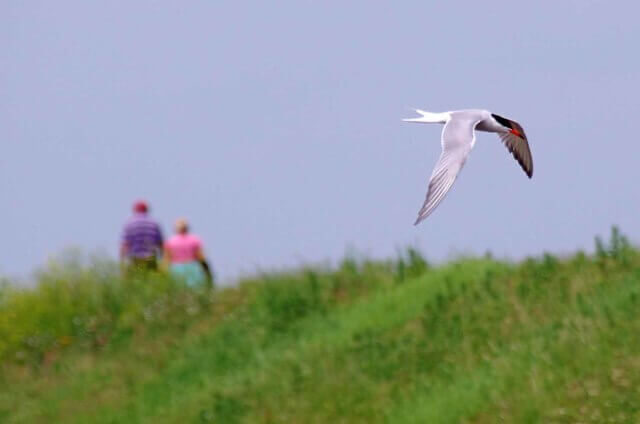
An island rebuilt using soil from a major UK infrastructure project has become a thriving wildlife reserve, with record numbers of birds now arriving each winter.
RSPB Wallasea Island, a 740-hectare nature reserve near Rochford in Essex, was created using more than three million tonnes of excavated earth from the Crossrail (Elizabeth Line) project.
Crossrail Excavations Used to Restore Nature
The material, transported by boat from London between 2011 and 2015, came from tunnels and shafts dug during construction of the Elizabeth Line.
Before the transformation began more than a decade ago, only small numbers of birds were recorded on the island. Last winter, almost 40,000 birds were counted across the reserve.
Rachel Fancy, Wallasea Island site manager, said: “It’s been really good and an amazing project to be a part of.”
Record Numbers of Birds Recorded
Jubilee Marsh, at the centre of the reserve, is now home to nearly 800 avocets, more than 10,000 knot, and close to 3,000 grey plover and bar-tailed godwits.
In total, 39,000 birds arrived at Wallasea Island during the winter months, marking the highest number ever recorded at the site.
The island had been cut off from the sea for hundreds of years. When the RSPB took over the site, its aim was to restore Wallasea Island as a natural wetland for birds.
Soil from the Crossrail excavations was used to raise parts of the land to around 1.5 metres above sea level and reshape the island. New sea walls were built and the landscape was moulded to create mudflats, lagoons and salt marshes.
In July 2015, sections of the sea wall were removed, allowing tidal waters to flow back onto Wallasea Island for the first time in 400 years.
The re-wetting of the site created lagoons, salt marshes and new islands, providing ideal feeding and nesting conditions for birds. The RSPB said the project has also created natural flood defences that help absorb storm surges and rising sea levels.
Ms Fancy said: “The mud flats and salt marshes along the east coast are all part of a massive flyway – the east Atlantic flyway – which birds will use to migrate through to the winter.
“They stay here through the winter when it’s warmer than the north and they move up through the coast in the summer.
“Birds will come in their thousands to feed and breed during the summer.”
From Construction Site to Thriving Nature Reserve
Although Wallasea Island is now a peaceful wildlife haven, it spent four years as a major construction site, with soil deliveries continuing around the clock by boat and on land.
When the sea first returned in 2015, the landscape was largely bare, with little vegetation or food for birds. However, habitats have improved year on year.
Ms Fancy added: “It was totally different to what it is now; high-vis vests, safety helmets, at least 20 dumper trucks plus all the other machinery moving material around to where it needed to be.
“People working on boats 24 hours a day, and then a lunar-scape where you saw bare soil mud being moved, with no vegetation and hardly any wildlife either.”
As the wetlands have matured, bird populations have increased steadily, culminating in a peak of 39,000 birds recorded last winter — highlighting Wallasea Island as one of the UK’s most successful habitat restoration projects.
“It’s been a really good and an amazing project to be a part of, and really nice to see that development afterwards,” Ms Fancy added.
“From building site all the way through to a peaceful landscape where you can go on a walk and enjoy the wildlife.”
——————————————————————————
At Natural World Fund, we are passionate about restoring habitats in the UK to halt the decline in our wildlife.