
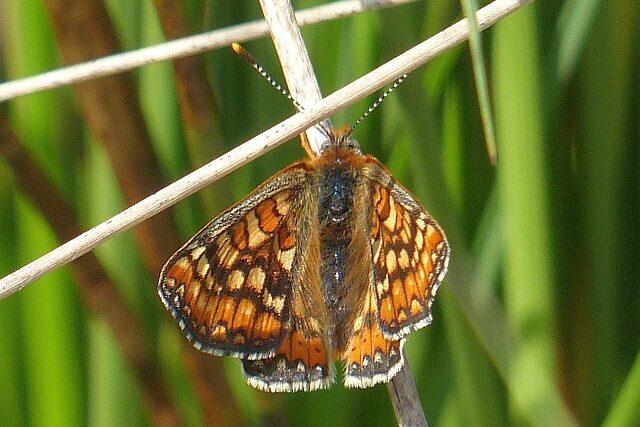
Rare Marsh Fritillary Butterfly Reaches Record Numbers at Dorset Nature Site
A record number of one of the UK’s rarest butterflies has been recorded at Lydlinch Common, offering a rare conservation success story amid widespread insect declines.
Survey Shows Dramatic Increase in Silk Shelters
Annual monitoring by the Wareham-based national charity Butterfly Conservation found more than twice as many silk shelters this year compared with last year. These shelters are created by Marsh Fritillary caterpillars and are a key indicator of breeding success.
The Marsh Fritillary butterfly was once common across much of the UK, but its numbers have fallen dramatically over the past century. Changes in farming practices have destroyed large areas of the grassland and heathland habitats the species depends on.
Butterfly Declines Continue Across the UK
Despite this local success, Butterfly Conservation warns that the wider picture remains deeply concerning. The charity reports that 31 of the UK’s 59 butterfly species are in decline, underlining the scale of the biodiversity crisis.
Marsh Fritillary caterpillars feed exclusively on Devil’s-bit Scabious, a plant found only in unimproved grassland and heathland. These habitats are most often maintained through traditional cattle grazing, which prevents scrub from taking over.
Decades of Conservation Work Paying Off
Volunteers from Butterfly Conservation have worked alongside local landowners for more than 30 years to protect and restore habitat at Lydlinch Common. This has included cutting back brambles and invasive vegetation and reintroducing cattle grazing to recreate the conditions the butterfly needs to thrive.
The UK experienced its warmest spring and hottest summer on record this year, conditions that might be expected to boost butterfly numbers. However, overall insect counts remained average. Butterfly Conservation says this shows favourable weather alone cannot reverse decades of habitat loss.
Habitat Restoration Is Key to Saving Butterflies
Conservationists say the success at Lydlinch Common proves that long-term habitat management works. Expanding and protecting high-quality grassland and heathland remains essential if rare butterflies like the Marsh Fritillary are to recover across the UK.
Rachel Jones, Butterfly Conservation senior ecologist, said: “Marsh Fritillaries need a landscape-scale approach, so when populations are doing well on multiple sites like this year, the effect can be greater than the sum of its parts.
“This work to maintain wildflower habitat also benefits numerous other species, so it’s good for nature, livestock and people. If anyone in Dorset would like to get involved, please get in touch.”
——————————————————————————
At Natural World Fund, we are passionate about restoring habitats in the UK to halt the decline in our wildlife.