
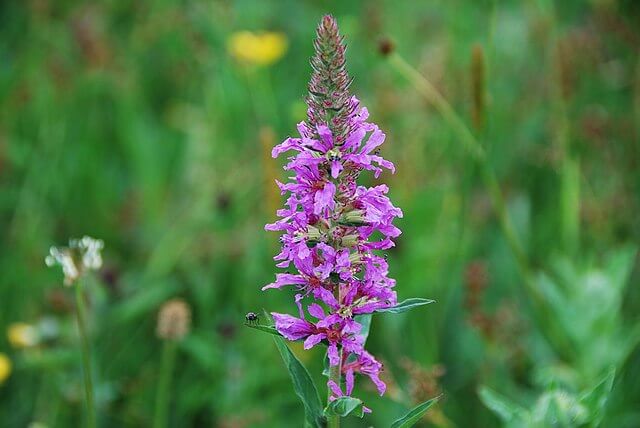
A rare wildflower is beginning to rebound thanks to the efforts of volunteers and local landowners, conservationists say.
Decline of Heath Lobelia Due to Habitat Loss
According to the East Devon National Landscape team, heath lobelia — a plant known for its purple-blue flowers — has suffered long-term decline due to the loss of open heathland and traditional grazing.
To help reverse this trend, volunteers and landowners have been restoring suitable habitat around Shute and Kilmington through planting, seed collection, and targeted site management.
Ruth Worsley, nature engagement co-ordinator, said volunteers had “worked tirelessly throughout the year with annual counts, practical habitat management and monitoring”.
She added: “Once known locally as ‘the flower of the Axe’, it’s inspiring to see the community coming together to protect and restore this beautiful part of East Devon’s natural heritage.”
Community Successes in Restoring the Species
Project highlights for 2025 include:
-
Volunteers recording 67 heath lobelia plants on Kilmington Common, following the planting of a further 30 specimens the previous autumn.
-
Although a planting effort near Newton Poppleford in autumn 2024 proved unsuccessful, the later discovery of a solitary heath lobelia nearby suggests encouraging signs of natural regeneration.
——————————————————————————
At Natural World Fund, we are passionate about restoring habitats in the UK to halt the decline in our wildlife.