
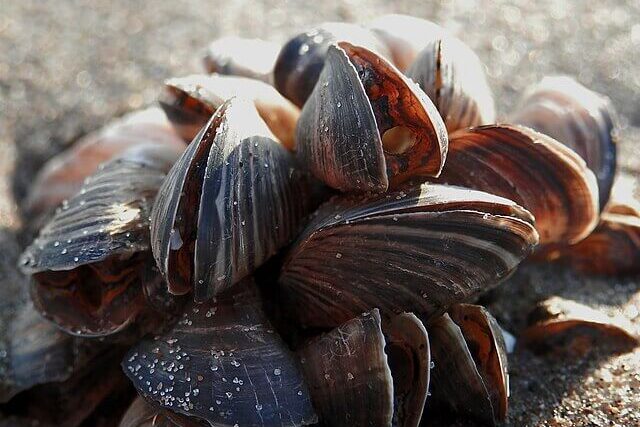
Invasive Quagga Mussel Detected in Northern Ireland for First Time
A highly invasive species of mussel capable of causing serious environmental damage has been detected in Northern Ireland for the first time. The quagga mussel, a non-native freshwater mollusc, poses a major threat to rivers, lakes and water infrastructure.
Quagga Mussels Found in Lower Lough Erne
The species was discovered during routine monitoring in Lower Lough Erne, where samples were collected and later confirmed through DNA analysis on 10 December. The Department of Agriculture, Environment and Rural Affairs (Daera) said this marks the first confirmed detection of quagga mussels in Northern Ireland.
Stormont’s Agriculture and Environment Minister Andrew Muir described the discovery as “another significant pressure on our already beleaguered freshwater system”, warning that the invasive species could worsen existing ecological challenges.
Rapid Breeding Makes Quagga Mussels a Serious Threat
Quagga mussels originate from eastern Europe and are known for breeding at extremely high rates. An adult female can produce up to one million eggs per year, allowing populations to expand rapidly. Their eggs are microscopic and invisible to the naked eye, making early detection difficult.
Although usually around the size of a thumbnail, quagga mussels can grow up to 4cm (1.5 inches), according to the UK Environment Agency.
Quagga mussels are considered a costly environmental threat because they disrupt ecosystems, degrade water quality and clog pipes and industrial infrastructure. By filtering microscopic organisms from the water, a single mussel can process more than a litre of water per day.
While this filtration can make water appear clearer, it often leads to harmful ecological changes by encouraging the growth of other species and destabilising delicate habitats.
Quagga Mussels Expected to Outcompete Zebra Mussels
Quagga mussels are closely related to zebra mussels, another invasive species that has already caused extensive damage to Northern Ireland’s largest lake, Lough Neagh. Zebra mussels are believed to have contributed to conditions that allowed toxic blue-green algae to bloom in the lake.
Last year, more than 44,000 fish were culled at a County Antrim fish farm after zebra mussels were detected, as the fish could not be used to stock other waters.
Daera warned that quagga mussels are capable of even higher water filtration rates than zebra mussels and can survive at greater depths. Officials expect the species will eventually outcompete and displace zebra mussels, potentially increasing the scale of environmental damage.
Invasive Species Already Present Elsewhere in the UK
Quagga mussels were first detected in the UK more than a decade ago and are already present in the Republic of Ireland. Their arrival in Northern Ireland raises concerns about further spread and long-term impacts on freshwater ecosystems.
The Northern Ireland Environment Agency (NIEA) said there is currently “no effective control or eradication method for quagga mussels once they have established in a water body”.
However, officials say there are steps that can be taken to slow the spread of the invasive species and reduce the risk of quagga mussels entering other waterways.
Rose Muir from NIEA’s Invasive Non-Native Species team said the most effective prevention method is the use of strict biosecurity measures known as the “check, clean, dry” approach.
Anglers and Boaters Urged to Clean Equipment
The guidance calls on anglers, boaters and other water users to thoroughly check, clean and dry all equipment before moving between rivers, lakes or other waterways, helping to prevent the accidental transfer of quagga mussels and their microscopic eggs.
——————————————————————————
At Natural World Fund, we are passionate about restoring habitats in the UK to halt the decline in our wildlife.