
Ministers ‘break word’ on protecting nature
Conservation groups say the UK government has broken its promise to protect nature by exempting small housing developments from biodiversity requirements, risking vital habitat loss.
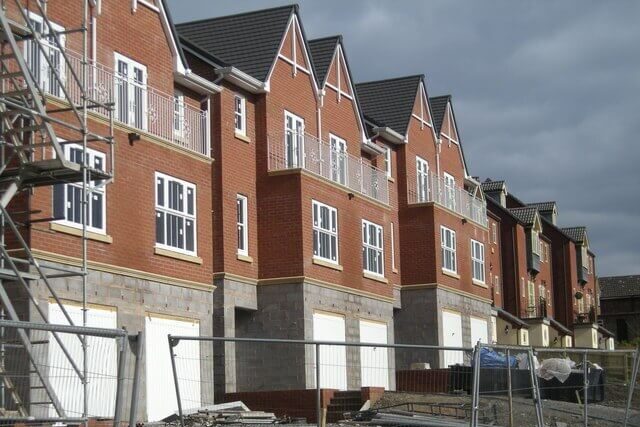
Previously, housing developers in England had to create a “biodiversity net gain” (BNG) of at least 10% on-site, meaning more space for wildlife than existed before construction. New rules announced by Housing Minister Matthew Pennycook exempt developments under 0.2 hectares from this requirement.
Analysis by the Wildlife Trusts suggests this change could leave an area the size of Windsor Forest without restoration for nature.
The exemption is part of a broader government plan to accelerate housebuilding, which includes a default “yes” for developments near rail stations and potential reductions in the building safety levy for small and medium-sized housebuilders.
Wildlife Trusts CEO, Craig Bennett, accused the housing secretary, Steve Reed, of breaking a promise to him. He said: “In January of this year when he was environment secretary, Steve Reed made a solemn promise that the government was ‘committed to biodiversity net gain’. Now, as housing secretary, he has broken his word.”
Concerns from Conservation Groups
Craig Bennett, CEO of the Wildlife Trusts, accused Housing Secretary Steve Reed of breaking a promise to nature. Wildlife groups warn that the exemption could undermine private investment in habitat restoration, which has already contributed £320 million since BNG rules were introduced in February 2024.
Beccy Speight, the chief executive of the RSPB, said: “The decision to exempt sites under 0.2 hectares from BNG flies in the face of the UK government’s promise to be ‘the most nature-positive government this nation has ever had’. It’s a blow for nature, for local communities and for business confidence in the future of BNG.”
Wildlife and Countryside Link highlighted that small developments dominate England’s planning system:
-
95% of planning applications are for sites under 1 hectare
-
88% under 0.5 hectares
-
77% under 0.2 hectares
Exempting these sites risks “wrecking the policy altogether,” they said.
Reed said: “Right now we see a planning system that still isn’t working well enough. A system saying ‘no’ more often than it says ‘yes’ and that favours obstructing instead of building.
“It has real-world consequences for those aspiring to own a home of their own and those hoping to escape so-called temporary accommodation – we owe it to the people of this country to do everything within our power to build the homes they deserve.”
Implications for Brownfield and Large Infrastructure Projects
The rule change may reduce pressure for brownfield developments to deliver biodiversity gains. The government is consulting on how to maintain BNG on brownfield sites and simplify rules for offsite habitat creation.
Separately, ministers are also considering whether nationally significant infrastructure projects — including airports, roads, and waste plants — should be required to achieve biodiversity net gain. Campaigners say high standards are crucial to prevent large-scale habitat destruction.
Richard Benwell, the CEO of Wildlife and Countryside Link, said: “To meet its electoral promise of halting wildlife decline, government should strengthen green economy rules, not shrink them. Rapidly applying net gain to all major infrastructure and stopping developers dodging their environmental responsibilities should be clear priorities, not more carveouts.
“So far, this has been a parliament of delay and relentless deregulatory threats to nature. The public outcry in support of net gain must be a last-chance wake-up call that environmental promises weren’t a ballot box bonus. Restoring nature and stopping pollution are a key test of the government’s credibility and it’s time for action.”
——————————————————————————
At Natural World Fund, we are passionate about restoring habitats in the UK to halt the decline in our wildlife.