
One in Four Plant Species at Risk
A major new report from the Botanical Society of Britain & Ireland (BSBI) has revealed that a wide range of plant species across Britain are now classified as threatened. Of the 1,720 species assessed for the updated GB Red List for Vascular Plants, 26% were found to be at risk of extinction.
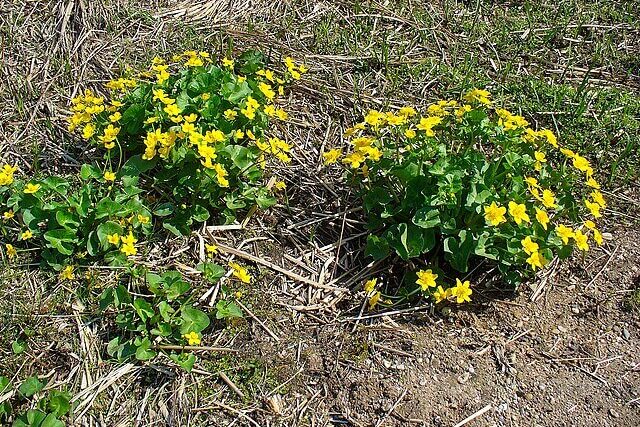
Several of the plants identified as threatened—including Betony, Marsh Marigold and Devil’s-bit Scabious—were recorded on nature reserves managed by the Herts and Middlesex Wildlife Trust. Ian Carle, the trust’s nature reserves manager, noted that none of these species appeared as threatened in the previous 2005 report. He described the findings as “further evidence our native wildlife is in trouble”.
The new GB Red List offers the first full revision of vascular plant assessments in two decades. Vascular plants include all seed-bearing plants (such as flowering plants and conifers) as well as ferns and their relatives. Red Lists are compiled using internationally recognised criteria and form a vital evidence base for conservation planning and decision-making.
Decline Signals Ecological and Human Risks
The Herts and Middlesex Wildlife Trust warned that the loss of these plant species is not just a blow to biodiversity but a clear warning sign for society. Many threatened plants play essential roles in supporting pollinators, maintaining healthy soils and regulating water—services that underpin food production, clean air and resilience to climate change.
Over the past 50 years, grassland and heathland habitats have experienced steeper declines than any other habitat type. In Hertfordshire, this trend mirrors the national picture: more than 97% of the county’s semi-natural grassland disappeared in the 50 years leading up to 1984.
Conservation Grazing Helping Restore Plant Diversity
To address the continued loss of plant diversity, Mr Carle explained that many of the trust’s grassland reserves now use traditional conservation grazing. This approach helps reduce nutrient levels in the soil, creating the conditions needed for a richer and more diverse plant community to thrive.
——————————————————————————
At Natural World Fund, we are passionate about restoring habitats in the UK to halt the decline in our wildlife.