
More Housing Developments Exempt From Biodiversity Rules in England
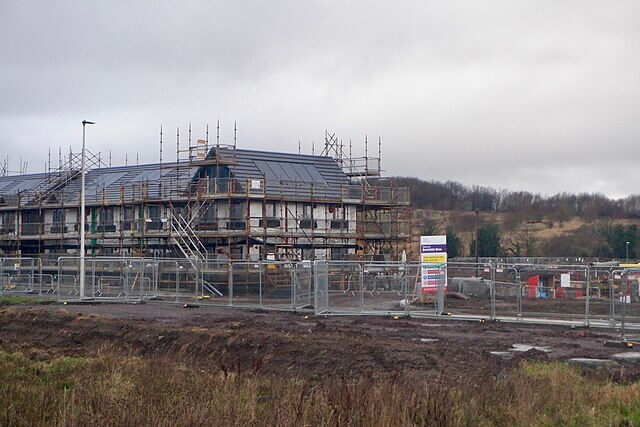
More housing developments in England will be exempt from rules requiring builders to improve wildlife habitats, the government has announced. The changes affect Biodiversity Net Gain (BNG) regulations, which currently require developers to compensate for nature lost during construction.
Changes to Biodiversity Net Gain Spark Backlash From Nature Groups
Ministers have been reviewing the Biodiversity Net Gain policy, which obliges most new housing developments to deliver a 10% increase in biodiversity. Expanding the size of developments that qualify for exemptions has drawn criticism from environmental charities, who warn the move could stall nature recovery.
The government said the changes form part of a wider overhaul of planning rules designed to help deliver its target of building 1.5 million new homes during this Parliament. The reforms were outlined by Housing Minister Matthew Pennycook as part of efforts to “get Britain building again”.
“They will not be without their critics. But in the face of a housing crisis that has become a genuine emergency in parts of Britain, we will act where previous governments have failed,” he said.
Default Approval Near Transport Hubs and Green Belt Changes
Other planning reforms include introducing a “default yes” approach to developments near railway stations, including on some green belt land. New housing will also be required to include nature-friendly features such as swift bricks to support urban wildlife.
Biodiversity Net Gain has been in force in England for under two years and has been described by conservationists as one of the most significant nature protection policies introduced in a generation. However, several wildlife organisations have jointly criticised the government’s decision to weaken its application.
Richard Benwell, chief executive of Wildlife and Countryside Link, said the revisions risk “hollowing out one of the most important nature protection policies in a generation”.
“It’s good that exemptions are narrower than originally proposed, but this is still damage limitation, not positive leadership for nature,” he said.
Critics of Biodiversity Net Gain argue that the policy increases costs and causes delays in the planning system, particularly for smaller developers. Rico Wojtulewicz of the National Federation of Builders said the rules have made construction “harder, more expensive and more complicated”, potentially rendering some projects unviable.
Smaller Developments to Be Exempt From BNG Rules
Under the revised rules, housing developments on sites smaller than 2,000 square metres will be exempt from Biodiversity Net Gain requirements. The government estimates this change could apply to around 12,500 homes per year.
Earlier consultation options had included exempting larger sites of up to 10,000 square metres — roughly equivalent to one or two football pitches.
Conservation Leaders Accuse Government of Weakening Protections
Craig Bennett, chief executive of The Wildlife Trusts, accused the government of attempting to “scapegoat nature for a failing economy”, speaking alongside Mr Benwell in an interview.
“The British people want to see development for the economy and for nature at the same time and yet this government seems intent on pitching them as one against the other,” he said.
The government also said it will consult on expanding exemptions for brownfield developments of up to 25,000 square metres. Additional measures will be introduced to make it easier, quicker and cheaper for medium-sized developments to deliver biodiversity improvements off-site.
——————————————————————————
At Natural World Fund, we are passionate about restoring habitats in the UK to halt the decline in our wildlife.